Asphalt Shingle Roofing in Highlands Ranch: The Ranch Standard, Done To Code
Drive any street in Northridge, Eastridge, Westridge or Southridge
and you are looking at architectural asphalt shingle. It is the roof
the HRCA color standards are written around, the roof Douglas County
inspectors see most, and the best value per square in this market.
The difference between a 15-year shingle roof and a 25-year one is
not the bundle. It is the install, and this page covers what a
correct one includes here.
What Code-Correct Shingle Installation Means Here
Douglas County inspects to the 2021 International Codes and, just
as binding, to the manufacturer's printed instructions. Below
7,000 feet the county's minimum shingle rating is 90 mph, ASTM
D7158 Class D. In practice we install to the high-wind detail
anyway: six nails per shingle, correct nail line, starter course
sealed at eaves and rakes, and kick-out flashing at every sidewall
termination, which is a named county requirement and the single
most skipped detail on the roofs we inspect. Drip edge goes on at
the code sizes, at least 4 by 2 inches at eaves and 2 by 1 at
rakes. Ventilation gets balanced intake to exhaust, because a
cooked attic ages shingles from below.
Why Architectural Shingle Beats 3-Tab On The Front Range
Original Ranch roofs from the 1980s were largely 3-tab: one
flat layer, light mats, wind ratings written for a gentler
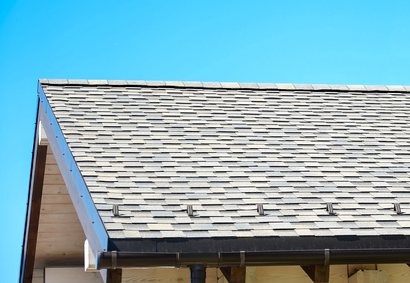
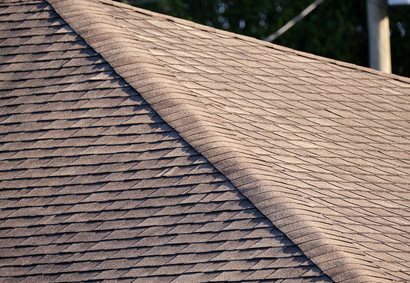
climate. Architectural shingle, the laminated product that
replaced it, is the default here now for concrete reasons.
The doubled lamination carries roughly half again more asphalt
and mat, which is what hail actually has to break. Wind
ratings run 110 to 130 mph against 3-tab's 60 to 70, which
matters in chinook country. And the dimensional profile is
what the HRCA color standards were written around, so review
is smoother. If your roof still carries 3-tab, it is a
first-generation survivor running well past its design life,
and it is exactly the roof the next June storm finds first,
usually one slope at a time.
Architectural Shingle Options And HRCA Color Review
Standard architectural product covers most budgets. Upgrades run
from high-definition profiles to
Class 4 impact-rated
lines that earn insurance discounts. Every option we quote is
pre-checked against the HRCA Residential Improvement Guidelines,
and the Home Improvement submittal with manufacturer, profile and
color goes in before installation is scheduled. That order of
operations is the whole trick to re-roofing on the Ranch without
drama.
- Six-nail high-wind fastening on every shingle, not just the slopes that face the street.
- Manufacturer-spec valleys, boots and flashings, the details county inspectors actually check.
- HRCA color submittal filed first, so the roof that goes on is the roof that stays on.
Anatomy Of A Shingle Roof System, Deck To Ridge
A shingle roof is seven layers pretending to be one. The deck
carries everything, which is why we probe it board by board at
tear-off. Drip edge goes on next, then underlayment lapped
shingle-style so water that ever gets under the field still runs
out, not in. Starter strips seal the eave and rake edges where
wind grabs first. The field shingles do the visible work, hips
and ridges cap the intersections, and ventilation, balanced
intake at the soffit against exhaust at the ridge, keeps the
whole stack from cooking itself. Skip or cheapen any layer and
the roof fails from that layer outward, usually two winters
after the crew that skipped it is gone.
Maintenance That Stretches A Ranch Shingle Roof
Owner-level care is simple and worth years: keep gutters
flowing so eaves never pond, trim branches off the roof plane
before they scrub granules bare, and after every wind or hail
event give the roofline a look from the sidewalk for lifted
tabs or exposed nail lines. Then let a roofer on it every few
years, or free of charge after any mapped storm, via a
photographed
inspection. Boots and sealant lines fail long before the
shingles do, and a $400 fix at year 14 routinely saves a
drywall repair at year 15.
One Ranch-specific habit worth adopting: after any storm that
makes the news anywhere in Douglas County, check your own
roof's record even if your street looked untouched. Hail
swaths are narrow, granule loss is cumulative, and the
difference between a documented roof and an undocumented one
shows up years later, at claim time or at closing, when the
paperwork either exists or does not.
Asphalt Shingle Questions From Ranch Homeowners
The shingle questions we field most often across the four
quadrants. For pricing specifics, the
roofing cost guide
carries the current metro numbers, and the crew will answer
anything else from the top of a ladder.
The major architectural lines: GAF, Owens Corning, CertainTeed and Malarkey among them. The constraint in Highlands Ranch is usually HRCA color standards rather than brand, so we quote products that clear the review.
Manufacturers rate architectural shingles for 25 to 30 years. At 5,900 feet, with the UV load and hail cycle Douglas County actually delivers, 18 to 25 years is the honest planning number, and a hail strike can shorten it in an afternoon.
The HRCA guidelines control materials and appearance, and most of the Ranch is built around asphalt profiles. If you want tile, stone-coated steel or another system, we check your sub-association's standards before quoting so nothing gets bought twice.



 Free Roof Inspection